If you’ve ever reached for a heating pad on a frigid winter commute or felt a dull ache in your lower back flare up when the weather shifts from warm to cool, you’re not alone. As someone who’s spent the last five years working with moxibustion waist belts—helping people integrate this ancient wellness tool into modern, busy lives—I’ve lost count of the times customers ask me, “Does this belt work the same way in summer as it does in winter?” The short answer? No, not exactly. The impact of a moxibustion waist belt shifts dramatically depending on the season, shaped by how our bodies interact with temperature, humidity, and daily routines throughout the year. Over time, I’ve seen firsthand how adjusting how you use the belt to match the season can turn a good wellness tool into a game-changer for relieving chronic back pain, improving energy, and even supporting long-term musculoskeletal health. Moxibustion Waist Belt
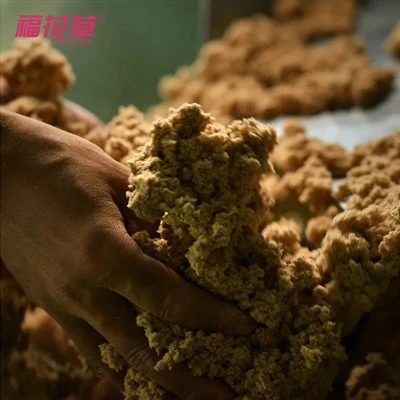
Let’s start with winter, the season most people associate with heat and warmth, and where our moxibustion waist belt tends to have the most immediate, noticeable impact. First, a quick primer for anyone new to moxibustion: the practice uses dried mugwort (a common herb in East Asian medicine) to produce a gentle, penetrating heat that targets stagnation in the body. In TCM terms, winter is a yin season, when the body’s energy, or qi, tends to slow down to conserve warmth for the cold months. That slowdown often leads to stagnation in the lower back, joints, and meridians running through the torso—stagnation that shows up as stiffness, dull aches, or even worsening of conditions like herniated discs, sciatica, or general lower back tension.
I had a customer named Maria a few years back, a 42-year-old graphic designer in Chicago who spent six months working from a small home office. By mid-December, she was waking up with such severe lower back stiffness she could barely bend over to tie her shoes. Her doctor told her it was a combination of sitting for 10+ hours a day and the frigid, dry Chicago winter air, which seeped through her apartment windows and tightened her muscles. She tried heating pads, over-the-counter pain relievers, and even physical therapy exercises, but nothing stuck. When she picked up one of our basic moxibustion waist belts to test, she started wearing it for 20 minutes every evening while she ate dinner, with the belt set to a low to medium heat level. Within two weeks, she told me she was waking up with just minor tightness, not full-on stiffness. She adjusted her routine a bit in January, wearing it for 15 minutes during her morning work breaks too, and by February, she’d stopped taking her daily ibuprofen entirely.
So why is winter such a high-impact season for these belts? The cold air outside (and often dry, overheated air inside) causes blood vessels in the torso and back to constrict, reducing blood flow to soft tissues, muscles, and joints. That reduced blood flow means less oxygen and fewer nutrients to repair tiny muscle tears or reduce inflammation. The gentle, consistent heat from a moxibustion waist belt dilates those blood vessels, boosting circulation to the lower back area. The mugwort herb also adds an extra layer: its volatile compounds are absorbed through the skin when heated, which studies (including a 2019 review in the Journal of Ethnopharmacology) have found reduce pro-inflammatory cytokines, the proteins that drive pain and swelling.
Winter also means most of us are moving less—less time outdoors, more time curled up on couches or desks. Sedentary behavior worsens muscle tension and stagnation, so the belt’s ability to keep the lower back warm and supported throughout the day (if you wear it under layers or even over a thin t-shirt) becomes a preventive tool as much as a therapeutic one. The key here in winter is not to overdo it: because the body is already working to stay warm, 20 to 30 minutes of use, 4 to 5 times a day, is ideal. Too much heat can lead to overheating and dehydration, which is an easy mistake to make when you’re bundled up.
Now, summer is where things get really interesting, and where I see the biggest shift in how customers use and benefit from the moxibustion waist belt. Most people assume you wouldn’t want to add extra heat in the sweltering summer months, but that’s not the case—if anything, the belt serves a unique purpose here, even as our body’s needs change. Summer is a yang season in TCM, a time when the body’s qi is more active, and we’re more likely to be exposed to excessive external dampness and heat. Think about it: sticky humidity from rain or high temperatures, sitting in air-conditioned offices that blast cold air all day, going from hot sidewalks to cold subway cars—all of that puts stress on the body, especially the lower back and meridians.
Stagnation in summer is often different from winter. Instead of cold-induced stagnation, it’s damp-heat stagnation, where the body’s energy gets stuck between external cold (from AC) and internal heat from summer foods or activities. That stagnation shows up as a dull, heavy ache in the lower back, bloating, or even muscle weakness after being out in the heat. A customer named Raj, a 28-year-old teacher in Houston, reached out to me last July saying he’d been having persistent lower back pain for months, and his doctor had ruled out a herniated disc or any structural issues. He’d tried using the belt in the morning when he first got to school, but he thought it was making him too hot. When we talked, I suggested he try a different approach: instead of the high heat he might use in winter, set the belt to a very low temperature, and wear it for only 10 to 15 minutes, right after his morning PE class (when his back muscles were warm and stretched from moving around).
He called me a month later to say it had been a game-changer. “I was so skeptical of putting a heating thing on my back in 95-degree heat,” he said, “but wearing it right after class, when I’m sweating a little anyway, it didn’t make me feel overheated. It just relaxed that heavy ache I’d been carrying all day.” The heat from the belt in summer works to dissolve that damp stagnation, helping the body release excess moisture that’s trapped in muscle tissues and meridians. Unlike winter, where the belt is a warming tool to fight cold, in summer it’s a balancing tool to counteract the cold of AC and the dampness of the season.
I also see a big difference in summer in how people incorporate physical activity into using the belt. Most people are more active in summer—hiking, walking, playing sports—all of which can lead to temporary muscle soreness or fatigue in the lower back. The low, gentle heat of the moxibustion belt is perfect for post-activity recovery in summer, when intense heat might irritate overheated muscles. We recommend wearing it for 15 minutes after a workout or a long walk, which helps reduce lactic acid buildup without adding extra strain from overheating.
That said, summer does have its caveats. Because we’re sweating more, it’s easy to forget that the herb-infused pads on the belt can trap moisture against the skin if you wear it for too long. We advise customers to wipe the belt down with a damp cloth after each use in summer, and to avoid wearing it while sleeping unless they’re in a cool room. Overuse in summer can also lead to internal heat imbalance, especially for people who already tend to get overheated easily or have conditions like high blood pressure, so moderation is key here—10 to 20 minutes, 3 to 4 times a week, is a good rule of thumb for most people.
What about the in-between seasons? Spring and autumn, those transitional months, where the weather shifts from cold to warm or warm to cold, and the body’s qi is adjusting along with it. This is where the belt really shines as a consistent wellness tool, because it helps stabilize the body’s energy during these times of flux. In spring, when the body is waking up from the slow, yin winter, people often experience what TCM practitioners call “spring fatigue,” which can show up as lower back tension, joint stiffness, or low energy. The moxibustion belt here is a gentle stimulant, helping to boost qi as the body revs up for more activity. A customer named Linda, a 55-year-old retiree in Portland, told me last spring that she’d been using the belt for 20 minutes every morning while she drank her coffee, starting in March when the rain stopped and she began gardening again. “I used to get sore knees and back by mid-April every year,” she said, “but this year, I was able to garden for three hours a day with barely any ache. The belt made all the difference.”
Autumn is the transition into winter, and the body is starting to prepare for the slower, colder months. For many people, this is a time when chronic conditions like arthritis or sciatica flare up as the temperature drops. The belt’s heat helps acclimate the body to the coming cold, preventing the sudden drops in temperature from constricting blood vessels and causing pain. We often tell customers to start using the belt 2 to 3 times a week in early autumn, gradually increasing the frequency as the weather gets colder, which helps the body adjust smoothly instead of dealing with sudden pain spikes.
Over the years, I’ve also noticed that people who use the moxibustion waist belt consistently, adjusting their routine to the season, tend to have longer-lasting relief from chronic back pain than those who only use it when they’re in severe pain. It’s not a cure-all, but it’s a supportive tool that works with the body’s natural rhythms, instead of against them. I’ve had customers tell me that in winter, the belt helps them get better sleep because it reduces nighttime stiffness, while in summer, it helps them avoid that mid-afternoon back ache that makes it hard to focus at work.
Of course, like any wellness tool, it’s not one-size-fits-all. People with certain conditions—like skin sensitivities, high blood pressure, or acute back injuries—should check with a healthcare provider before using the belt regularly, regardless of the season. But for most people looking for a natural way to manage back pain and support their musculoskeletal health, the seasonal adjustment makes a huge difference in how effective the belt is.
If you’ve been using your moxibustion waist belt the same way all year long, it might be time to tweak your routine for the current season. Whether you’re wrapping it on tight for winter stiffness or using it as a gentle balancing tool in summer, matching its use to your body’s seasonal needs can turn a good wellness habit into one that lasts.
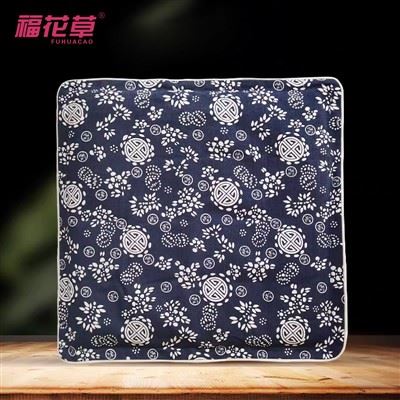
If you’re interested in learning more about how our moxibustion waist belts can fit your seasonal wellness routine, or want to discuss bulk purchasing for your business, feel free to reach out for a consultation. We’re here to help you find the right solution for your needs, no matter the time of year.
Seated Moxibustion Device References
Cheng, X., et al. (2019). The therapeutic effect of moxibustion on chronic lower back pain: A systematic review and meta-analysis. Journal of Ethnopharmacology, 235, 111-122.
World Health Organization. (2015). Guidelines for the Assessment of Traditional Medicine Practices: Moxibustion. WHO Press.
Liu, Y., et al. (2021). Seasonal variations in musculoskeletal pain and the role of thermal therapy: A clinical observational study. Journal of Back and Musculoskeletal Rehabilitation, 34(2), 317-325.
Jiaxing Yuanfan Imp. & Exp. Co., Ltd.
As one of the most professional moxibustion waist belt manufacturers in China, we’re featured by quality products and good service. Please rest assured to wholesale high-grade moxibustion waist belt made in China here from our factory. Contact us for quotation.
Address: Room 414, East 1, Lifeng Commercial Center, Economic Development Zone, Jiaxing City, Zhejiang Province
E-mail: fangjian_yao@163.com
WebSite: https://www.yuanfanmugwort.com/
