Hybrid robots, a revolutionary advancement in robotics, combine the best of multiple mobility modes and capabilities, offering a wide range of advantages across various industries. As a supplier of hybrid robots, I am excited to share the numerous benefits these innovative machines bring to the table. Hybrid Robot
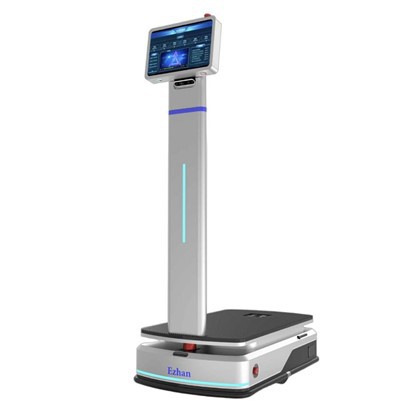
1. Enhanced Mobility and Adaptability
One of the most significant advantages of hybrid robots is their enhanced mobility. Traditional robots often have limitations in terms of the environments they can navigate. For example, wheeled robots are efficient on flat surfaces but struggle with rough terrains or stairs, while legged robots, although capable of traversing uneven ground, are generally slower and less energy – efficient on flat areas.
Hybrid robots overcome these limitations by integrating different locomotion mechanisms. For instance, some hybrid robots combine wheels and legs. They can seamlessly switch between using wheels on smooth floors for fast and efficient movement and legs when encountering obstacles or uneven terrain. This adaptability makes them ideal for a variety of applications, such as search and rescue operations in disaster – stricken areas. In a collapsed building, a hybrid robot can roll quickly through open corridors and then use its legs to climb over debris and reach survivors in hard – to – access locations.
In industrial settings, hybrid robots can move across different types of factory floors. They can travel on flat conveyor belts using their wheels and then use special climbing mechanisms to reach elevated equipment or inspection points, ensuring comprehensive maintenance and quality control.
2. Versatility in Task Execution
Hybrid robots are designed to perform a diverse range of tasks. Their multi – modular design allows for the integration of different end – effectors and sensors. For example, a hybrid robot used in logistics can be equipped with a robotic arm for picking and placing packages and a set of sensors for navigation and inventory management.
In the healthcare industry, hybrid robots can assist in both patient care and surgical procedures. They can move around the hospital using their mobility systems, delivering medications and supplies. At the same time, they can be fitted with precision surgical tools for minimally invasive surgeries. The ability to switch between different tasks makes hybrid robots a cost – effective solution for organizations, as they can replace multiple single – function robots.
In agriculture, hybrid robots can perform tasks such as seeding, watering, and harvesting. They can move across the fields using their appropriate locomotion modes and use specialized tools to handle different crops. This versatility not only increases productivity but also reduces the need for multiple types of agricultural machinery.
3. Improved Efficiency and Productivity
The combination of different capabilities in hybrid robots leads to significant improvements in efficiency and productivity. In manufacturing, hybrid robots can perform multiple operations in a single cycle. For example, a robot can use its wheeled base to quickly move between different workstations, pick up raw materials with its robotic arm, and then perform a series of manufacturing processes such as welding, painting, and assembly.
By reducing the time spent on moving between different tasks and locations, hybrid robots can increase the overall output of a manufacturing facility. In addition, their ability to work continuously without the need for frequent breaks or rest, unlike human workers, further enhances productivity.
In the service industry, hybrid robots can serve customers more efficiently. For example, in a restaurant, a hybrid robot can use its mobility to move around the dining area, take orders, and deliver food to the tables. It can also use its sensors to detect the needs of customers, such as refilling drinks, in a timely manner. This not only improves the customer experience but also allows the restaurant staff to focus on more complex tasks.
4. Cost – Effectiveness
Although the initial investment in hybrid robots may seem high, they offer long – term cost – effectiveness. As mentioned earlier, their versatility means that a single hybrid robot can replace multiple single – function robots, reducing the overall equipment cost. Additionally, they require less maintenance compared to a fleet of specialized robots.
In terms of labor costs, hybrid robots can perform tasks that would otherwise require a large number of human workers. For example, in a large warehouse, a few hybrid robots can handle inventory management, picking, and packing tasks, reducing the need for a large workforce. This not only saves on salaries but also on associated costs such as training, insurance, and employee benefits.
Moreover, the energy – efficient design of hybrid robots helps to reduce operational costs. Their ability to switch between different locomotion modes based on the environment allows them to consume less energy compared to traditional robots that are designed for a single mode of movement.
5. Safety and Reliability
Hybrid robots are designed with safety in mind. They are equipped with advanced sensors and algorithms that allow them to detect and avoid obstacles in their path. In industrial settings, this reduces the risk of accidents and damage to equipment. For example, a hybrid robot moving in a factory can detect a human worker in its path and stop or change its direction to avoid a collision.
Their multi – modular design also enhances reliability. If one part of the robot fails, the other modules can often continue to function, or the robot can be easily repaired by replacing the faulty component. This reduces downtime and ensures that operations can continue with minimal disruption.
In harsh and dangerous environments, such as nuclear power plants or chemical factories, hybrid robots can be used to perform tasks that are too risky for human workers. They can withstand high temperatures, radiation, and toxic chemicals, protecting the safety of human operators.
6. Data Collection and Analysis
Hybrid robots are equipped with a variety of sensors, such as cameras, LIDAR, and IMUs. These sensors allow them to collect a large amount of data about their surroundings. In a smart city application, a hybrid robot can be used to monitor traffic, air quality, and infrastructure conditions. The data collected can be analyzed to make informed decisions about urban planning, traffic management, and environmental protection.
In industrial quality control, hybrid robots can use their sensors to detect defects in products with high precision. They can collect data on the dimensions, surface quality, and other characteristics of the products and compare them with the standard specifications. This helps to ensure that only high – quality products are shipped to customers, improving customer satisfaction and reducing the cost of returns.
7. Customizability
As a hybrid robot supplier, one of the key selling points is the ability to customize these robots according to the specific needs of customers. Different industries have different requirements, and hybrid robots can be tailored to meet those needs. For example, a mining company may require a hybrid robot with a high – strength body and heavy – duty locomotion system to operate in harsh underground conditions. We can design and build a robot that meets these specific requirements, including the integration of appropriate sensors for detecting ore deposits and monitoring the safety of the mine.
A research institution may need a hybrid robot for scientific exploration in remote areas. We can customize the robot with long – range communication capabilities, high – capacity battery systems, and specialized scientific instruments to collect samples and data. This customizability allows our customers to get the most out of the hybrid robots and achieve their specific goals.
Conclusion
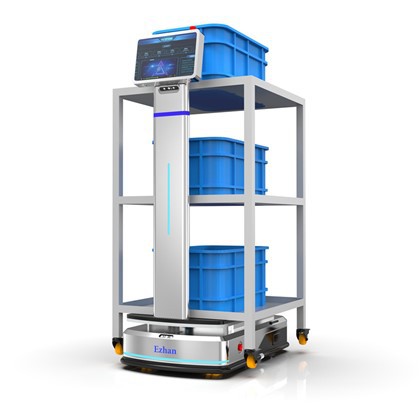
In conclusion, hybrid robots offer a wide range of advantages that make them a valuable asset in various industries. Their enhanced mobility, versatility, efficiency, cost – effectiveness, safety, data – collection capabilities, and customizability set them apart from traditional robots. As a supplier of hybrid robots, we are committed to providing high – quality, innovative solutions to our customers.
Robot Accessories If you are interested in exploring how our hybrid robots can benefit your business or organization, we invite you to contact us for a detailed discussion. Our team of experts is ready to work with you to understand your specific needs and provide the best – fitting hybrid robot solutions.
References
- Hall, J. S. (2007). Beyond AI: Creating the Conscience of the Machine. Prometheus Books.
- Siciliano, B., & Khatib, O. (Eds.). (2016). Springer Handbook of Robotics. Springer.
- Arkin, R. C. (1998). Behavior – Based Robotics. MIT Press.
Shenzhen Ezhan Technology Co., Ltd.
We’re known as one of the most reliable hybrid robot manufacturers and suppliers in China. With abundant experience, we warmly welcome you to buy bulk customized hybrid robot from our factory. If you have any enquiry about cooperation, please feel free to email us.
Address: Room 1808, 1809, 1810, Building 2, Aipark, Baolong 4th Road, Longgang District, Shenzhen City
E-mail: sales01@ezhankeji.com
WebSite: https://www.ezhanrobot.com/
