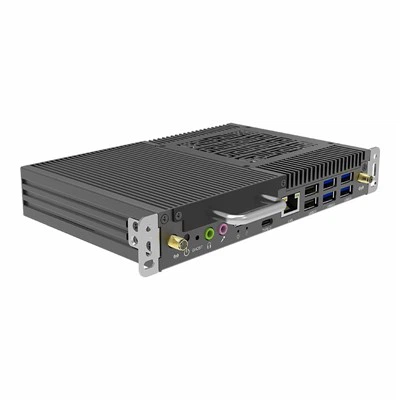
In the ever – evolving landscape of computer hardware, connectivity is a crucial aspect that users often ponder over. One common question that frequently comes up in my interactions as a Nano ITX motherboard supplier is: "Can I connect a USB – C device to a Nano ITX motherboard?" To address this question comprehensively, we need to delve into the technical details of both USB – C technology and Nano ITX motherboards. Nano ITX Motherboard
Understanding USB – C Technology
USB – C, or USB Type – C, is a relatively new standard in the world of connectivity. It was first introduced in 2014 and has since gained significant popularity due to its versatility and high – speed data transfer capabilities. The USB – C connector is a small, oval – shaped port that is reversible, meaning you can plug it in either way up, which is a vast improvement over the older USB connectors.
One of the key features of USB – C is its ability to support multiple protocols simultaneously. It can handle USB 2.0, USB 3.1 Gen 1, USB 3.1 Gen 2, and even Thunderbolt 3 in some cases. This means that depending on the device and the motherboard’s capabilities, you can achieve data transfer speeds ranging from the relatively slow 480 Mbps (USB 2.0) to an astonishing 40 Gbps (Thunderbolt 3).
In addition to data transfer, USB – C can also carry power. It supports Power Delivery (PD), which allows for high – wattage charging. For example, you can use a USB – C cable to charge a laptop, a smartphone, or even power external devices like monitors or hard drives.
An Overview of Nano ITX Motherboards
Nano ITX is a form factor for motherboards that was developed by VIA Technologies in 2003. It is one of the smallest motherboard form factors, with a size of only 120mm x 120mm. Despite its small size, Nano ITX motherboards are designed to offer a good balance of performance and functionality, making them ideal for a variety of applications such as embedded systems, home theater PCs, industrial computers, and small form – factor desktops.
Nano ITX motherboards typically come with a range of connectivity options. These may include traditional ports like USB 2.0 and USB 3.0, Ethernet, HDMI, and audio jacks. However, the availability of USB – C ports on Nano ITX motherboards can vary depending on the specific model and manufacturer.
Compatibility of USB – C Devices with Nano ITX Motherboards
The answer to whether you can connect a USB – C device to a Nano ITX motherboard is: it depends. There are several factors to consider when determining compatibility.
1. Presence of USB – C Ports on the Motherboard
The most straightforward way to connect a USB – C device to a Nano ITX motherboard is if the motherboard itself has a USB – C port. Some newer Nano ITX motherboards are designed with USB – C ports to keep up with the latest connectivity trends. If your motherboard has a USB – C port, you can simply plug in your USB – C device using a compatible cable, and it should work as long as the device is supported by the operating system and drivers.
However, many older Nano ITX motherboards do not have USB – C ports. In such cases, you may need to use an adapter. For example, you can use a USB – C to USB 3.0 adapter if your motherboard has a USB 3.0 port. This adapter allows you to connect a USB – C device to the motherboard, but the data transfer speed will be limited to that of the USB 3.0 port on the motherboard.
2. Power Requirements
As mentioned earlier, USB – C can support Power Delivery. If your USB – C device requires a certain amount of power to function properly, you need to ensure that the Nano ITX motherboard can provide it. Some motherboards may have limited power output on their USB ports, especially if they are designed for low – power applications.
If your USB – C device is a power – hungry device like an external hard drive or a high – end graphics card, you may need to use an external power source or make sure that the motherboard’s power supply can handle the additional load. For example, some USB – C hubs come with their own power adapters to provide sufficient power to connected devices.
3. Protocol Support
USB – C can support different protocols, and the motherboard needs to be able to handle the protocol used by the USB – C device. For instance, if your USB – C device uses Thunderbolt 3 for high – speed data transfer and high – resolution video output, your motherboard must have Thunderbolt 3 support. Thunderbolt 3 support typically requires specific hardware and firmware on the motherboard, and not all Nano ITX motherboards are equipped with this feature.
On the other hand, if your USB – C device only uses USB 3.1 Gen 1 or Gen 2, a motherboard with compatible USB 3.x support should be able to communicate with the device.
Advantages of Connecting USB – C Devices to Nano ITX Motherboards
If you can successfully connect a USB – C device to your Nano ITX motherboard, there are several advantages.
1. High – Speed Data Transfer
As mentioned, USB – C can support high – speed data transfer protocols. If you have a USB – C external hard drive or a high – speed flash drive, you can transfer large files quickly between the device and your computer. This is especially useful for applications where data transfer speed is crucial, such as video editing or data backup.
2. Versatility
USB – C devices are becoming more and more common, and having the ability to connect them to your Nano ITX motherboard gives you greater flexibility. You can connect a wide range of devices, including smartphones, tablets, monitors, and even some accessories like headsets or keyboards, all using the same type of port.
3. Improved Charging Options
If your motherboard supports Power Delivery through its USB – C port, you can charge your USB – C devices directly from the motherboard. This can be convenient, especially if you are using your Nano ITX motherboard in a small form – factor PC where space for additional chargers may be limited.
Tips for Connecting USB – C Devices to Nano ITX Motherboards
- Check the Specs: Before attempting to connect a USB – C device, carefully review the specifications of both the motherboard and the device. Look for information about USB – C support, power output, and protocol compatibility.
- Use Quality Adapters: If you need to use an adapter, make sure to choose a high – quality one. Poor – quality adapters may cause issues such as data transfer errors or power problems.
- Update Drivers: Ensure that your motherboard’s drivers are up to date. Sometimes, compatibility issues can be resolved by installing the latest drivers from the manufacturer’s website.
Conclusion
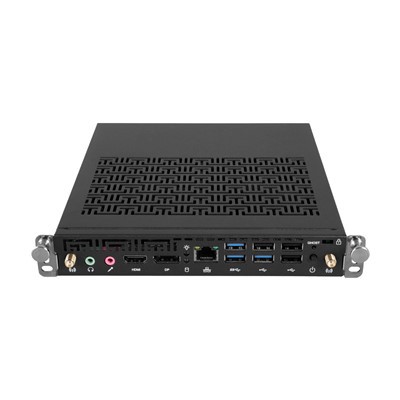
In conclusion, it is possible to connect a USB – C device to a Nano ITX motherboard, but there are several factors to consider such as the presence of USB – C ports, power requirements, and protocol support. As a Nano ITX motherboard supplier, I understand the importance of providing users with the most comprehensive connectivity options. Our team is constantly working on developing and improving our products to support the latest technologies, including USB – C.
OPS PC If you are interested in purchasing a Nano ITX motherboard or have more questions about USB – C connectivity and our products, I encourage you to reach out to our sales team for further discussion and potential procurement. We are committed to providing you with the best solutions for your hardware needs.
References
- "USB Type – C: The Complete Guide" by Tom’s Hardware.
- "Nano ITX Form Factor Specifications" by VIA Technologies.
- "Power Delivery in USB – C" by USB Implementers Forum.
Shenzhen HJS Technology Group
Shenzhen HJS Technology Group is one of the most experienced nano ITX motherboard manufacturers and suppliers in China, featured by quality products and good service. Please rest assured to buy CE approved nano ITX motherboard made in China here from our factory. For price consultation, contact us.
Address: F10, Wanhe Technology Building C, No. 7 HuiTong Road, Fenghuang Street, Guangming New District, Shenzhen. China.
E-mail: info@hjs-pc.com
WebSite: https://www.hjs-pc.com/
