Hey there! I’m a supplier of calf housing, and I’ve been in this business for quite a while. Over the years, I’ve seen a growing concern about the environmental impacts of calf housing. It’s not just about providing a cozy place for these little guys; we also need to think about how our products affect the planet. So, let’s dive into what these environmental impacts are and how we can make things better. Calf Housing
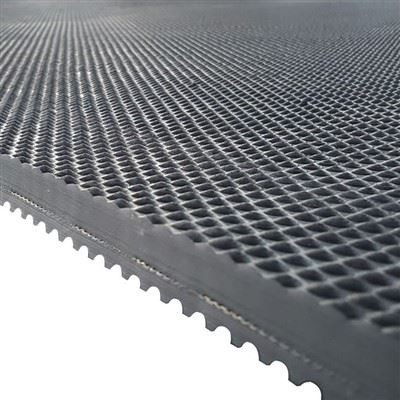
Manure Management and Greenhouse Gas Emissions
One of the biggest environmental issues with calf housing is manure management. Calves produce a lot of poop, and if it’s not handled properly, it can lead to some serious problems. When manure decomposes, it releases methane, a greenhouse gas that’s way more potent than carbon dioxide. Methane traps heat in the atmosphere, contributing to global warming.
In traditional calf housing, manure often accumulates in pens and isn’t removed regularly. This creates an ideal environment for methane-producing bacteria. The longer the manure sits, the more methane it releases. And let’s not forget about ammonia. When manure breaks down, it also releases ammonia, which can cause air pollution and harm local ecosystems.
But here’s the good news. At our company, we’ve developed calf housing solutions that make manure management a lot easier. Our pens are designed with slatted floors that allow manure to fall through into a collection area below. This not only keeps the calves’ living area cleaner but also makes it easier to remove the manure quickly. By reducing the time the manure spends in the pen, we can significantly cut down on methane and ammonia emissions.
Energy Consumption
Another environmental impact of calf housing is energy consumption. Calves need a warm and comfortable environment to grow healthy, especially in colder climates. This often means using heaters and other equipment to maintain the right temperature. And all that energy use has an environmental cost.
Traditional heating systems in calf housing can be pretty inefficient. They might use a lot of electricity or fossil fuels, which contribute to air pollution and climate change. But we’re changing that. Our calf housing units come with energy-efficient heating options. We use insulation materials that keep the heat inside, reducing the need for constant heating. And for some of our models, we even offer solar-powered heating systems. Solar energy is clean, renewable, and free once you’ve installed the panels. It’s a win-win for both the environment and the farmer’s wallet.
Water Usage
Water is another precious resource that can be affected by calf housing. Calves need clean water to drink, and the pens also need to be cleaned regularly. In some cases, water usage in calf housing can be quite high, especially if the cleaning systems are old and inefficient.
A lot of older calf housing setups use a lot of water to flush out the pens. This is not only wasteful but can also lead to water pollution if the runoff isn’t properly treated. The manure and other waste in the water can carry harmful bacteria and nutrients that can contaminate local water sources.
Our calf housing systems are designed with water conservation in mind. We’ve developed low-flow watering systems that give the calves just the right amount of water they need without wasting a drop. And for pen cleaning, we use high-pressure, low-volume cleaning systems. These systems use less water but still do a great job of keeping the pens clean.
Land Use
Calf housing also has an impact on land use. Building large calf housing facilities requires a significant amount of land. And in some cases, this can lead to deforestation or the conversion of natural habitats into agricultural land.
When natural habitats are destroyed, it can have a devastating effect on wildlife. Animals lose their homes, and plant species can be wiped out. This disrupts the delicate balance of ecosystems and can lead to a loss of biodiversity.
But we’re working on solutions. Our calf housing designs are more compact and efficient, which means they require less land. We’re also exploring ways to make our facilities more compatible with the surrounding environment. For example, we can incorporate green spaces and wildlife corridors around the housing units to help preserve biodiversity.
Air Quality
The air quality inside and around calf housing can also be affected. As I mentioned earlier, ammonia and other pollutants are released from manure. These pollutants can cause respiratory problems for both the calves and the farmers working in the housing.
Outside the housing, these pollutants can spread into the surrounding air, affecting the health of nearby communities. In addition, dust from bedding materials and feed can also contribute to poor air quality.
We’re taking steps to improve air quality in our calf housing. Our units are designed with proper ventilation systems that help remove pollutants from the air. We also use low-dust bedding materials to reduce the amount of dust in the air.
How We Can Make a Difference
As a calf housing supplier, I feel a responsibility to help farmers make more environmentally friendly choices. That’s why we’re constantly researching and developing new products and technologies to reduce the environmental impacts of calf housing.
One of the things we’re working on is integrating more sustainable materials into our housing designs. For example, we’re looking at using recycled plastics and other eco-friendly materials to build our pens. These materials not only have a lower environmental impact but are also often more durable and cost-effective.
We’re also providing training and support to farmers on how to use our calf housing systems in the most environmentally friendly way. This includes proper manure management techniques, energy-saving practices, and water conservation tips.
Let’s Talk!
If you’re a farmer or someone involved in the livestock industry, I’m sure you’re interested in finding ways to reduce the environmental impact of your calf housing. And that’s where we come in. Our company is dedicated to providing high-quality, environmentally friendly calf housing solutions.
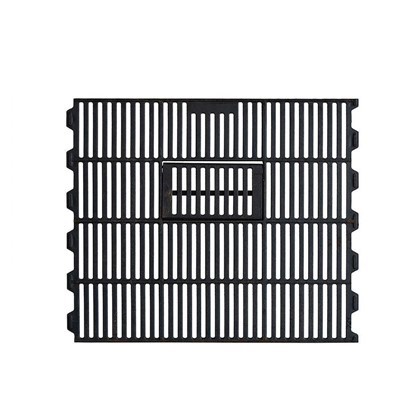
We understand that every farm is different, and that’s why we offer customized housing options to meet your specific needs. Whether you have a small family farm or a large commercial operation, we’ve got the right solution for you.
Calf Pens If you want to learn more about our calf housing products and how they can help you reduce your environmental footprint, don’t hesitate to reach out. We’d love to have a chat with you about your requirements and see how we can work together to make your calf housing more sustainable.
References
- ASABE Standards. American Society of Agricultural and Biological Engineers. Various editions.
- Environmental Protection Agency (EPA). Agriculture: Greenhouse Gas Emissions and Sinks. EPA publications.
- Livestock Environment and Housing Conference Proceedings. Various years.
Hebei Honde Industrial Trade Imp & Exp Co., Ltd.
With abundant experience, we are one of the most professional calf housing manufacturers and suppliers in China. We warmly welcome you to wholesale high quality calf housing for sale here from our factory. We also accept customized orders.
Address: Room 1904, Yintai International Building, No.36 Guang’an Street, Shijiazhuang, Hebei, China
E-mail: Helen@hbhonde.com
WebSite: https://www.hondelivestocksupply.com/
