What is the Price Range for Anti – pressure Hospital Beds?
As a seasoned supplier in the hospital beds industry, I’ve witnessed firsthand the diverse needs of healthcare facilities and the importance of anti – pressure hospital beds in patient care. Anti – pressure beds are designed to prevent and treat pressure ulcers, which are a significant concern for patients who are bedridden for extended periods. In this blog post, I’ll delve into the price range of anti – pressure hospital beds and the factors that influence their costs. Hospital Beds
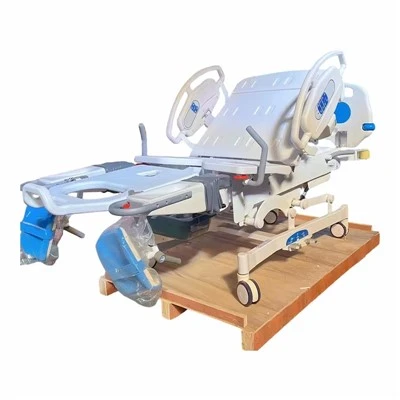
Understanding Anti – pressure Hospital Beds
Before we discuss the price, it’s essential to understand what anti – pressure hospital beds are. These beds are equipped with special mattresses and support systems that distribute a patient’s weight evenly, reducing pressure on vulnerable areas such as the heels, hips, and back. There are different types of anti – pressure beds, including static air mattresses, alternating pressure mattresses, and low – air – loss mattresses. Each type has its unique features and benefits, which in turn affect the price.
Factors Affecting the Price
- Type of Mattress Technology
- Static Air Mattresses: These are the most basic type of anti – pressure mattresses. They consist of air cells that are inflated to a certain pressure, providing a more even weight distribution than a regular mattress. Static air mattresses are relatively inexpensive, with prices ranging from $500 to $1500. The simplicity of their design and function contributes to their lower cost. For example, a small – scale clinic or a budget – conscious healthcare provider might opt for a static air mattress anti – pressure bed to meet the basic needs of their patients.
- Alternating Pressure Mattresses: These mattresses have air cells that inflate and deflate in a cyclical pattern. This alternating action helps to constantly change the pressure points on the patient’s body, reducing the risk of pressure ulcers. Alternating pressure mattresses are more advanced than static air mattresses and can cost between $1500 and $3500. The additional technology required for the inflation and deflation mechanism, as well as the control unit that regulates the cycle, drives up the price.
- Low – Air – Loss Mattresses: Considered the most advanced type of anti – pressure mattresses, low – air – loss mattresses use a continuous flow of air through small holes in the mattress surface. This not only helps to reduce pressure but also manages moisture and heat, creating a more comfortable environment for the patient. Due to their complex technology and high – end features, low – air – loss mattresses can cost anywhere from $3500 to $7000 or more. They are often used in intensive care units (ICUs) and long – term care facilities where patients have a higher risk of developing pressure ulcers.
- Bed Frame Features
- Manual vs. Electric Frames: Manual hospital bed frames are operated by hand cranks and are generally less expensive. They can be adjusted to different positions, such as raising the head or foot of the bed, but the process requires physical effort. Manual frames typically cost between $800 and $2000. On the other hand, electric bed frames are powered by motors and can be adjusted with the push of a button. They offer more convenience and precise positioning, especially for patients who require frequent adjustments. Electric frames can range from $2000 to $5000, depending on the number of adjustable functions and the quality of the motors.
- Additional Features: Some bed frames come with extra features such as side rails that can be raised or lowered, built – in scales to monitor the patient’s weight, and integrated patient communication systems. Each of these additional features adds to the overall cost of the bed. For example, a bed with a high – end side – rail system that provides enhanced safety and easy access for caregivers might cost an additional $500 to $1000 compared to a standard bed.
- Brand and Quality
- Well – known brands in the medical equipment industry often command higher prices due to their reputation for quality, reliability, and after – sales service. A bed from a top – tier brand might cost 20 – 30% more than a comparable bed from a lesser – known brand. However, investing in a high – quality brand can offer long – term savings in terms of fewer repairs and replacements. For example, a brand with a proven track record in manufacturing anti – pressure hospital beds may use better – quality materials and more advanced manufacturing processes, resulting in a bed that lasts longer and performs more effectively.
- Customization and Special Requirements
- If a healthcare facility requires a customized anti – pressure hospital bed to meet specific patient needs or the layout of their facility, the price will be higher. Customization can include modifications to the size of the bed, the addition of specialized attachments, or the integration of unique patient – monitoring systems. The cost of customization can vary widely, but it can add several thousand dollars to the base price of the bed. For instance, a hospital in a remote area that needs a bed with a special design to fit through narrow corridors and small rooms may need to pay a premium for such a customized solution.
Price Ranges in the Market
Based on the factors mentioned above, the overall price range for anti – pressure hospital beds can be quite broad.
- Entry – level Beds: For basic anti – pressure beds with a static air mattress and a manual frame, the price can start as low as $1300. These beds are suitable for small clinics, home healthcare settings, or facilities with limited budgets. They provide a basic level of pressure relief and functionality but may lack some of the advanced features of more expensive models.
- Mid – range Beds: In the mid – range, which typically includes an alternating pressure mattress and an electric frame with standard features, the price can range from $3500 to $7000. These beds are popular in medium – sized hospitals and long – term care facilities as they offer a good balance between cost and functionality. They provide better pressure relief and more convenient adjustability than entry – level beds.
- High – end Beds: High – end anti – pressure hospital beds with low – air – loss mattresses, advanced electric frames with multiple adjustable functions, and additional specialized features can cost upwards of $7000. These beds are commonly found in large hospitals, ICUs, and specialized treatment centers where the highest level of patient care and comfort is required.
Making an Informed Decision

When considering the purchase of an anti – pressure hospital bed, it’s crucial to evaluate the specific needs of the patients and the healthcare facility. While cost is an important factor, it should not be the only consideration. A more expensive bed may offer better long – term value in terms of patient outcomes, reduced risk of pressure ulcers, and lower maintenance costs.
Hospital Beds If you’re in the market for anti – pressure hospital beds, I encourage you to reach out to discuss your specific requirements. We have a wide range of options available to meet the diverse needs of healthcare providers, from budget – friendly entry – level beds to high – end, state – of – the – art models. Our team of experts can provide detailed information, product demonstrations, and help you find the best solution for your facility. Don’t hesitate to contact us to start a discussion about your procurement needs.
References
- American Hospital Association. (2023). Best Practices in Hospital Bed Procurement.
- International Pressure Ulcer Prevention Association. (2022). Guidelines for the Use of Anti – pressure Beds in Healthcare Settings.
Eusokon Technology ( Shanghai ) Co., Ltd.
As one of the most professional hospital beds manufacturers and suppliers in China, we offer a wide range of products with superior quality. Please feel free to wholesale advanced hospital beds in stock here from our factory.
Address: No.2 building lane 89,Huguang east road Minhang area Shanghai China
E-mail: dorisyang@eusokon.com
WebSite: https://www.eusokon.com/
