Hey there! I’m someone running a prepreg supply business. Today, I wanna chat about how the resin content affects the properties of prepreg. It’s a topic that’s super important in our industry, and I hope this blog can give you a better understanding of it. Prepreg
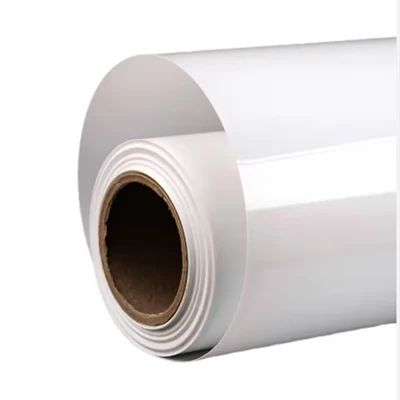
First off, let’s talk about what prepreg is. For those who aren’t in the know, prepreg is a composite material made by impregnating fibers, like carbon or glass, with a resin matrix. The resin in prepreg plays a bunch of key roles. It holds the fibers together, transfers loads between them, and gives the final product its overall performance.
One of the most obvious ways resin content impacts prepreg is in its mechanical properties. When the resin content is on the higher side, the prepreg becomes more flexible. That’s because there’s more of that gooey resin to act as a sort of cushion between the fibers. It’s like having a thicker layer of glue holding things together. This extra flexibility can be great for applications where you need to bend or shape the prepreg, like when making curved parts. On the other hand, if the resin content is too high, the strength of the prepreg may take a hit. The excess resin can create weak spots in the composite, making it more prone to cracking or delamination under stress.
Now, let’s flip the coin and look at low resin content. With less resin, the fibers are more closely packed together. This usually results in a stronger and stiffer prepreg. The fibers can bear more of the load, since there’s less resin to distribute the stress. However, having too little resin can also cause problems. The fibers may not be properly coated, leaving gaps that can lead to poor moisture resistance. And without enough resin to hold the fibers firmly, the prepreg might be more difficult to handle, as the fibers could start to fray or separate.
Moisture resistance is another big deal when it comes to the effects of resin content. Resin acts as a barrier against moisture. When there’s an appropriate amount of resin, it can effectively seal the fibers, preventing water from seeping in. In a prepreg with high resin content, the increased resin layer can provide better protection against moisture ingress. But again, it’s a balancing act. If there’s too much resin, it can absorb more moisture itself, which might actually lead to swelling and a decrease in performance over time. Meanwhile, low resin content means there’s less of that protective layer, making the prepreg more vulnerable to water damage. This can be a real issue in applications where the prepreg will be exposed to humid environments or even direct contact with water.
The curing process of prepreg is also strongly influenced by the resin content. Resin needs to go through a chemical reaction during curing to harden and bond the fibers together. Higher resin content generally means a longer curing time. That’s because there’s more resin that needs to react. This can slow down the production process and increase costs. On the flip side, a prepreg with low resin content may cure faster, but there’s a risk that not all the resin will fully react. This could result in an incomplete cure, leaving the prepreg with sub – optimal properties.
Another aspect to consider is the surface finish of the final product made from prepreg. When the resin content is right, you can get a smooth and even surface. The resin fills in any small irregularities between the fibers, giving a nice, polished look. But if there’s an imbalance in the resin content, things can go wrong. Too much resin might cause a sticky or uneven surface, while too little resin could leave the fibers exposed, creating a rough and unappealing finish.
In the aerospace industry, for example, prepregs are used to make all sorts of components, from wings to fuselage parts. These parts need to be strong, lightweight, and have excellent fatigue resistance. The resin content in the prepregs used here is carefully controlled. A slightly lower resin content might be used for structural components that need high strength, while a bit more resin could be used for parts that require better impact resistance or a smoother surface finish.
In the automotive world, prepregs are becoming more popular for making lightweight body panels and chassis components. The choice of resin content depends on the specific requirements of each part. For parts that need to be molded into complex shapes, a prepreg with a higher resin content might be preferred due to its better formability. But for high – performance racing cars where every ounce of weight matters and strength is crucial, a lower resin – content prepreg could be the way to go.
When it comes to our business as a prepreg supplier, we understand that different customers have different needs. That’s why we offer prepregs with a range of resin contents. Whether you need a flexible and easy – to – shape prepreg for a craft project or a high – strength prepreg for an industrial application, we’ve got you covered.
If you’re in the market for prepregs, we can help you figure out the ideal resin content for your specific use case. Our team of experts has years of experience in the industry and can provide you with personalized advice. We know that choosing the right prepreg is crucial for the success of your project, and we’re dedicated to ensuring you get the best product.
So, if you’re interested in learning more about our prepregs or want to discuss your specific requirements, don’t hesitate to reach out. We’d love to have a chat with you, answer your questions, and start a partnership that benefits both of us. Let’s work together to get you the perfect prepreg for your needs.
Insulating Paper References
- "Composite Materials Handbook" – This comprehensive book covers various aspects of composite materials, including prepregs and the role of resin content.
- Industry research papers on prepreg technology – These papers often contain in – depth studies on the effects of resin content on prepreg properties and real – world applications.
Wenzhou Gisen Insulation Material Co., Ltd.
As one of the most professional prepreg manufacturers and suppliers in China, we’re featured by quality products and good service. Please rest assured to wholesale customized prepreg from our factory. Contact us for quotation and free sample.
Address: Diyan Industrial Zone, Wengyang Subdistrict, Yueqing City, Zhejiang Province
E-mail: gisen888@126.com
WebSite: https://www.giseninsulation.com/
